Water damage can strike unexpectedly and disrupt the comfort, safety, and structure of any home. Whether caused by leaking pipes, overflowing appliances, excessive moisture, or minor flooding, water damage demands immediate attention. While major structural repairs may require specialized contractors, a skilled handyman plays a crucial role in restoring various areas of the home efficiently and cost-effectively. From fixing damaged materials to preventing future issues, a handyman’s versatility becomes an essential part of the restoration process.
Water Damage Cleanup Salt Lake City pros will tell you how a handyman contributes to post–water damage restoration, the types of repairs they can perform, and why homeowners often rely on their skills during emergencies.
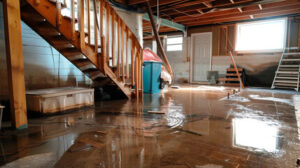
Understanding the Effects of Water Damage on a Home
Before diving into the handyman’s role, it’s important to recognize how water damage affects different areas of the home. Water can seep into walls, floors, ceilings, and fixtures, creating both visible and hidden issues.
Common consequences of water damage include:
- Warped wood and weakened structures
- Bubbling or peeling paint
- Loose or damaged fixtures
- Mold and mildew growth
- Damaged drywall and insulation
- Musty odors and lingering moisture
- Stains and discoloration on surfaces
- Electrical risks in affected areas
Because these problems range from minor cosmetic issues to health and safety hazards, homeowners often need multiple types of repairs to fully restore their property. This is where a handyman becomes incredibly useful—offering a broad set of skills to address many restoration needs.
Why Hire a Handyman After Water Damage?
Handymen are known for their versatility, practical experience, and ability to handle a wide variety of repair tasks. Following water damage, their role becomes especially valuable because restoration often involves multiple small to moderate repairs that don’t necessarily require specialized contracting services.
Key benefits of hiring a handyman for water damage restoration include:
- Cost Efficiency
- Engaging a handyman is often more affordable than hiring several different tradespeople. They can handle multiple repairs in one visit, reducing overall labor costs.
- Wide Skill Set
- Handymen typically offer a broad range of services—from carpentry and painting to plumbing assistance and drywall repair.
- Quick Response for Minor Repairs
- While major issues may require contractors, a handyman can address small to mid-level damage immediately to prevent worsening conditions.
- Convenience for Homeowners
- Instead of coordinating with multiple companies, homeowners can rely on one professional to manage many tasks.
- Prevention-Focused Approach
- Many handymen also help identify potential future risks and recommend preventive measures.
Specific Ways a Handyman Helps Restore Water-Damaged Homes
A handyman can contribute significantly to the restoration process by repairing, replacing, and reinforcing various parts of the home that have been affected by water. Here are several areas where their skills are most beneficial:
1. Drywall Repair and Replacement
Drywall often absorbs moisture quickly, leading to bubbling, sagging, or crumbling surfaces. A handyman can:
- Remove damaged sections
- Replace them with new drywall.
- Apply joint compound and sanding.
- Repaint the repaired area.
This helps restore walls to a smooth and clean appearance.
2. Repairing Damaged Trim, Baseboards, and Molding
Water can cause wood trim and baseboards to swell, crack, or detach from walls. Handymen commonly handle tasks such as:
- Removing swollen or warped trim
- Installing new baseboards or molding
- Repainting to match existing areas
These small fixes improve both function and aesthetics.
3. Light Carpentry Work
Water can warp doors, weaken window frames, or damage shelving. A handyman is equipped to perform:
- Door frame tightening or replacement
- Window sill repair
- Cabinet adjustments
- Shelf refitting or replacement
These repairs restore functionality and prevent further deterioration.
4. Minor Plumbing Fixes
If the water damage resulted from a leak, a handyman can often help address small plumbing issues, such as:
- Fixing loose pipe fittings
- Replacing worn-out seals
- Repairing leaking faucets
- Adjusting under-sink plumbing
A handyman may also identify when a licensed plumber is required for more complex repairs.
5. Flooring Repairs
Moisture can cause floors to warp, lift, or loosen. Depending on the flooring type, a handyman can:
- Remove and replace damaged floorboards
- Repair loose tiles
- Re-caulk edges where moisture seeped in
- Install moisture barriers if needed
Quick repairs help prevent mold and structural problems.
6. Painting and Touch-Ups
After repairs are made, affected areas often need fresh paint. A handyman can:
- Prime water-stained surfaces
- Repaint walls, ceilings, or trim
- Match colors to existing finishes
This helps restore visual consistency throughout the home.
7. Caulking and Sealing
Water-damaged areas often require new seals to prevent future leakage. A handyman can reapply:
- Silicone caulking around sinks, tubs, and showers
- Sealant around windows and doors
- Waterproofing coatings on select surfaces
These upgrades help safeguard against recurring issues.
8. Minor Electrical Assistance (Non-Hazardous)
If electrical components were exposed to water, a handyman may assist with basic tasks such as:
- Replacing damaged light switches
- Installing new outlet covers
- Securing loose fixtures
However, any major electrical damage must be handled by a licensed electrician for safety.
9. Mold Prevention Measures
While professional mold remediation may be needed in severe cases, a handyman can support prevention by:
- Removing moisture-damaged materials
- Improving ventilation in affected areas
- Applying mold-resistant coatings
- Fixing leaks and sealing gaps
These steps help reduce the risk of mold returning after cleanup.
A Handyman’s Role in the Restoration Timeline
The handyman’s contribution varies based on the restoration stage. After water extraction and drying (usually handled by water damage specialists), the handyman steps in for repair and reconstruction tasks.
Typical stages include:
- Assessment of Damage
- A handyman inspects areas for visible and hidden damage, identifying what can be repaired versus replaced.
- Removal of Damaged Components
- This may include tearing out damaged drywall, flooring, or trim.
- Structural and Cosmetic Repairs
- The handyman handles carpentry, patching, painting, and general repairs.
- Prevention and Finishing Touches
- Sealing, caulking, and minor improvements help extend the life of the restored space.
By merging repair skills with attention to detail, a handyman ensures the home looks and functions properly again after water damage.
When a Handyman Is the Best Choice vs. When to Call a Specialist
Understanding the limits of handyman services helps homeowners make informed decisions. While handymen are versatile, some situations require specialized contractors.
A handyman is ideal for:
- Minor to moderate wall and floor damage
- Repairing trim, frames, and fixtures
- Small plumbing fixes
- Light electrical replacements
- General patching and painting
- Installing replacement parts or hardware
Specialists are required for:
- Major structural damage
- Extensive mold infestations
- Full plumbing or electrical system repairs
- HVAC problems caused by water exposure
- Large-scale reconstruction projects
Both professionals often complement each other during a complete restoration.
Benefits of Combining Handyman Services with Professional Restoration
For efficient and comprehensive recovery, homeowners often use both water damage restoration teams and handymen. The combination ensures that:
- Water is properly extracted and dried
- Mold risks are reduced
- Structural integrity is preserved
- Cosmetic and functional repairs are completed
A handyman bridges the gap between emergency mitigation and long-term repairs.
Tips for Choosing the Right Handyman After Water Damage
Selecting a qualified handyman is crucial to ensuring quality results. Homeowners should look for someone with:
- Experience in water-damage-related repairs
- A wide range of skills in carpentry, drywall, and general repair
- Good communication and clear pricing
- Knowledge of moisture prevention techniques
- Positive reviews or references
Working with an experienced professional ensures repairs are handled correctly the first time.
A handyman plays a vital role in restoring homes after water damage by offering versatile, cost-effective, and practical repair solutions. From fixing drywall and trim to assisting with plumbing, sealing, painting, and prevention, their skills help bring a home back to its pre-damage condition. While major issues may require specialized contractors, the majority of small to moderate repairs fall perfectly within a handyman’s capabilities.
By combining handyman services with a comprehensive restoration plan, homeowners can address both immediate damage and long-term protection—ensuring a clean, safe, and fully restored living space.