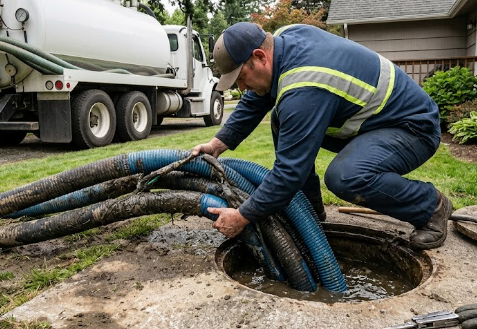
Septic Tank Pumping Madera is one of the most important maintenance tasks for any property that relies on a septic system. While it is easy to overlook because most of the system operates underground, routine pumping plays a major role in preventing costly repairs, unpleasant backups, and premature system failure. Many homeowners wonder how much septic tank pumping costs and what factors influence the final price.
Although every property is different, understanding the variables that affect pricing helps homeowners plan ahead and avoid unexpected expenses. Investing in regular septic tank pumping is often far more affordable than repairing a damaged septic system.
What Factors Affect Septic Tank Pumping Costs?
Several factors influence the cost of septic tank pumping, and no two properties are exactly alike. One of the biggest considerations is the size of the septic tank because larger tanks contain more wastewater and accumulated solids that require additional time and equipment to remove. The amount of sludge and scum inside the tank can also affect the service since heavily neglected systems may require more extensive cleaning. Accessibility to the septic tank is another important factor that influences labor requirements. Every property presents its own unique maintenance challenges.
The location and condition of the septic system may also affect the overall cost. Tanks that are difficult to locate or buried beneath landscaping, decks, or other structures often require additional effort before pumping can begin. Properties with steep terrain or limited equipment access may also increase the complexity of the service. These site-specific conditions contribute to the overall investment required for proper maintenance. An on-site evaluation helps determine the scope of the work.
Does Septic Tank Size Influence the Price?
Septic tank size is one of the primary factors that determines pumping costs because larger tanks require more time to empty completely. Homes with greater wastewater demands often have larger tanks designed to accommodate higher daily usage. Removing the additional contents from these systems typically requires more vacuum capacity and longer service times. As a result, pumping larger septic tanks generally costs more than servicing smaller residential systems. Tank capacity plays a direct role in determining the overall service requirements.
Larger tanks do offer one important advantage despite their higher pumping cost. Because they can hold more wastewater and solids before reaching capacity, they may not require pumping as frequently as smaller tanks under similar conditions. The appropriate pumping schedule still depends on household size, water usage, and maintenance habits rather than tank size alone. Regular inspections help determine when pumping is needed regardless of capacity. Proper maintenance remains the most important factor in long-term system performance.
How Does Maintenance History Affect Pumping Costs?
The condition of the septic tank when service is performed can influence the overall cost of pumping. A system that has been maintained regularly is generally easier to service because sludge levels remain within normal operating ranges. Routine maintenance helps prevent excessive buildup that can complicate the pumping process or increase the amount of time required to clean the tank thoroughly. Keeping up with scheduled maintenance often results in more predictable service costs. Preventive care simplifies future maintenance.
In contrast, neglected septic systems may contain unusually large accumulations of sludge and scum that require additional attention. In some cases, technicians may also identify developing issues such as damaged baffles, blocked pipes, or signs of drain field problems during the inspection. Addressing these concerns early may help prevent much larger repair expenses later. Consistent maintenance often reduces the likelihood of unexpected problems. Caring for the system regularly protects both performance and budget.
What Additional Services Can Affect the Total Cost?
Septic tank pumping sometimes includes additional services that contribute to the final cost depending on the property’s needs. During the visit, technicians may inspect internal tank components, evaluate wastewater flow, or assess the overall condition of the septic system. These inspections help identify potential issues before they become major failures that require expensive repairs. Preventive evaluations provide valuable information about the health of the entire system. Early detection often saves money over time.
Some properties may also require locating buried access lids, uncovering the tank, or replacing damaged access covers before pumping can begin. If maintenance reveals structural concerns or worn components, additional repairs may be recommended to restore proper operation. While these services increase the immediate investment, they often help avoid significantly higher repair costs in the future. Comprehensive maintenance supports dependable long-term performance. Addressing small problems early is generally more cost-effective.
Is Regular Septic Tank Pumping Worth the Cost?
Many homeowners view septic tank pumping as a maintenance expense, but it is better understood as an investment in protecting the entire wastewater system. Routine pumping removes accumulated solids before they interfere with normal operation or reach the drain field. Preventing drain field damage is especially important because repairs or replacement can be much more expensive than regular maintenance. Consistent pumping helps preserve the system’s efficiency while extending its useful lifespan. Preventive maintenance offers substantial long-term value.
Routine pumping also helps homeowners avoid the inconvenience of plumbing backups, unpleasant odors, and emergency service calls. Septic problems often occur without much warning once excessive sludge buildup reaches critical levels. Scheduling maintenance before these issues develop reduces the risk of unexpected disruptions to daily life. Reliable system performance provides greater confidence and peace of mind. Investing in prevention often results in lower overall ownership costs.
How Can Homeowners Reduce Future Septic Pumping Expenses?
Homeowners can help control future maintenance costs by practicing responsible septic system care every day. Conserving water reduces the volume of wastewater entering the tank, giving solids more time to separate properly before reaching the drain field. Repairing plumbing leaks promptly and spreading out water-intensive activities also help prevent unnecessary strain on the system. Efficient water use supports healthier septic system performance. Simple habits contribute to long-term savings.
Proper waste disposal also helps minimize unnecessary buildup inside the septic tank. Items such as grease, cooking oils, wipes, paper towels, feminine hygiene products, and other non-biodegradable materials should never be flushed or washed into the system. Limiting harsh chemical cleaners may also help preserve the natural bacteria that assist with waste breakdown inside the tank. Responsible use reduces stress on the septic system while supporting more effective treatment. Daily care plays a significant role in reducing maintenance costs.
How Does Routine Pumping Protect Property Value?
A properly maintained septic system is an important part of protecting a property’s long-term value. Buyers often appreciate homes with documented maintenance histories because they demonstrate responsible ownership and reduce concerns about hidden wastewater problems. Regular pumping helps prevent conditions that could lead to costly repairs, unpleasant odors, or visible signs of septic failure. Well-maintained systems contribute to greater buyer confidence. Preventive care supports the overall condition of the property.
Routine maintenance also helps preserve landscaping by reducing the likelihood of wastewater surfacing around the drain field or causing damage to surrounding areas. Avoiding major septic failures protects outdoor spaces while minimizing disruption to the property. Maintaining the septic system today helps reduce future repair costs while supporting reliable operation for years to come. A proactive maintenance approach benefits both current homeowners and future occupants. Long-term care remains one of the best investments a property owner can make.
Final Thoughts
The cost of septic tank pumping depends on several factors, including tank size, accessibility, maintenance history, and the overall condition of the septic system. While every property has different service requirements, regular pumping remains one of the most effective ways to prevent expensive repairs and extend the lifespan of the entire wastewater treatment system. By scheduling routine maintenance, practicing responsible water use, and properly caring for the septic system, homeowners can reduce long-term ownership costs while maintaining dependable performance. Investing in regular septic tank pumping protects both the property and the valuable infrastructure that supports everyday living.