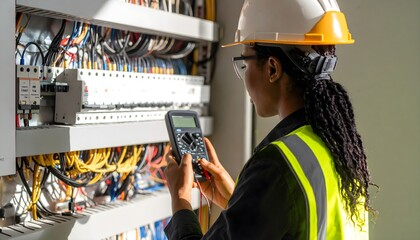
Electrical systems are vital to commercial settings, keeping the lights on figuratively and literally. Maintaining these systems ensures that businesses can operate efficiently and safely.
Despite sharing many common aspects, commercial and industrial electrical work differ greatly. Understanding these differences can help both residential and commercial electricians understand their job responsibilities more clearly.
Installation
Installing a commercial electrical system requires advanced knowledge of wiring systems, power distribution and lighting fixtures. It also involves establishing backup power systems, fire alarm integration and sophisticated energy management. Licensed commercial electricians work with office buildings, retail spaces, healthcare facilities and industrial properties. Their specialized training helps them meet the unique requirements of each environment, such as high-power equipment and strict safety protocols.
Commercial electrical installation projects start with a consultation and site assessment. This helps the contractor understand the building’s needs and identify any potential issues. It includes performing load calculations to ensure the electrical infrastructure can support power demands during peak usage times. It also ensures the installation meets the required standards for local codes and regulations.
This phase of the project also involves setting up temporary power, such as generators and construction site power poles. This helps keep the work area lit and productive during early phases of construction, when mistakes are more costly to correct. It also includes planning for future upgrades and expansions, so the electrical infrastructure can adapt as business operations grow or change.
While many commercial systems follow the same basic principles as residential ones, they have a much higher load and require more advanced power distribution and control solutions. RSVC’s commercial electricians are highly trained in the design, installation and maintenance of these complex power systems.
Whether you need a service drop for a new office space, a warehouse renovation or a manufacturing plant expansion, we have the skills to handle any job. We can even set up an emergency power system with a transfer switch to help you stay operational in the event of an outage or natural disaster.
Depending on the location of the property, the electrical service may be underground or overhead. If it is underground, the inspector will verify that a path to ground exists and that the service conductors are properly grounded. Overhead services are typically visible at the meter or meter enclosure, and they must have the required clearances to comply with local regulations. In either case, the inspector will document these details in the inspection report.
Maintenance
Commercial operations rely on an electrical system that powers lights, equipment, devices, and more. A faulty system may result in costly downtime and damage to valuable assets. This is why routine electrical maintenance is a critical component of any successful business.
Whether your commercial property needs a full electrical system inspection or an updated lighting installation, a professional team can help. The process of commercial electrical service includes everything from inspecting wiring and testing voltage levels to re-wiring outdated systems or upgrading to more efficient solutions. Expert providers like Jackson Mechanical Services provide holistic maintenance that addresses not only electrical hazards but also crucial interconnected systems like HVAC and indoor air quality.
Electrical service professionals perform visual and thermal inspections to detect any potential safety risks or failures, including frayed wires, loose connections, and overheating. They can also check the functionality of electrical circuit breakers and other safety devices. These maintenance processes keep businesses running smoothly by preventing electrical fires, shocks, and arc flashes that threaten people’s safety and business productivity.
In addition to reducing safety risks, regular electrical maintenance also helps businesses lower operational costs and extend equipment lifespans. By identifying and resolving issues before they become serious, preventative maintenance minimizes expensive repairs and reduces energy waste that increases utility bills.
A strategic maintenance plan protects the life of commercial electricity supplies by detecting wear, reducing stress, and preventing avoidable failures that reduce system efficiency and increase operating costs. This type of maintenance can also include updates that improve energy efficiency and support operational continuity by addressing changing business needs.
The electrical systems of office spaces require a significant amount of power, so it is important to have them regularly maintained to ensure that they are safe and efficient. This can be done by an experienced electrical contractor, such as Fixwerks Corporate. In office settings, the top indicators that your electrical system requires maintenance are poor lighting, faulty wiring, white light noise, and other problems that can affect employee productivity.
If you have any of these issues in your workplace, it is important to call a specialist as soon as possible to avoid major problems and reduce the risk of accidents. Having a reliable electrical contractor will ensure that your company runs smoothly and efficiently.
Troubleshooting
The electrical systems that power equipment, lights and devices in commercial properties are essential to business operations. However, if they experience issues, it can cause costly downtime and safety hazards for employees and customers. Identifying these problems and working with professional electricians to solve them promptly ensures that your property stays functional, safe and compliant.
Commercial electrical services involve the installation, maintenance and repair of electrical systems in commercial settings such as offices, retail spaces and healthcare facilities. They are also responsible for ensuring that these installations meet the standards, codes and regulations set by local authorities.
Unlike residential electricians, commercial ones handle more complex and higher-voltage systems that require specialized design, wiring, and compliance with local electrical codes. Their work often involves large machinery and heavy equipment found in industrial facilities, warehouses and power plants.
Common electrical problems include blown fuses, overloaded circuits, flickering lights and outlets that spark or emit burning smells. These can quickly escalate into serious fire hazards, equipment malfunctions or power outages. If you suspect that you have an electrical issue, schedule regular professional inspections to catch it before it becomes a bigger problem.
Keeping your commercial property’s electrical system in good condition prevents operational disruptions and improves its energy efficiency. Routine inspections, timely repairs and upgrades to energy-efficient solutions reduce your utility bills and extend the life of your equipment. It’s also a great way to comply with local environmental and safety regulations and protect your customers, staff and the environment. A small electrical system mishap can easily turn into a major disaster for a business, so it’s important to know what to look out for and when to call for professional help.
Repairs
Commercial electricians work to install, maintain and repair electrical systems like transformers, receptacles, switches, generators and lighting in business buildings, office parks, hotels and resorts, retail stores, industrial facilities and other commercial properties. They work to ensure that these essential electrical systems are functioning properly and comply with all current safety standards, codes and regulations.
Faulty wiring is a significant issue for commercial property owners and managers because it can lead to costly equipment damage, safety hazards, and even electrical fires. Signs of faulty wiring include flickering lights, outlets that spark or emit a burning smell, or overheating appliances. A licensed commercial electrician can perform an inspection of the wiring to identify and address any issues.
Another common repair service for commercial properties is the installation of surge protectors to protect sensitive electronic equipment from damaging power surges. Surges can occur for a number of reasons, including loose or damaged wiring, aging equipment, and problems with the electrical panel. A commercial electrician can evaluate the property’s current electrical system to determine if it needs upgrading to a more modern and safe wiring solution.
The process of repairing commercial electrical services is more complex than residential services, and it requires the expertise of a licensed professional. Regular maintenance and prompt repairs can prevent expensive electrical problems, disruptions to business operations, and safety concerns for employees and customers.
Commercial Electrical Services in NYC
While residential electricians typically work with single-phase power supplies ranging between 120V and 240V, commercial electricity uses three-phase systems that provide more powerful, higher-capacity loads than a typical home. As a result, the cabling, breakers and other electrical supplies used by commercial electricians are different than those of residential electricians.
A qualified commercial electrician can help a business manage their electrical load by installing additional circuits, adding additional outlets and rerouting existing ones to avoid overloading. They can also advise on future renovations and upgrades to accommodate increasing electrical demands. It is important for businesses to learn as much as they can about their electrical systems and how they work, so they can detect potential issues before they become major problems that require expensive repair services.