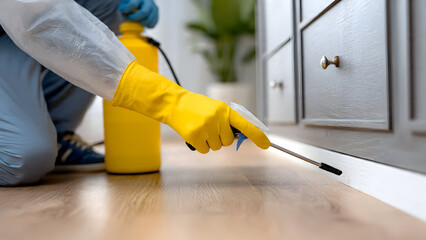
It is frustrating to think a pest problem has been solved, only to discover the same unwanted visitors returning a few weeks or months later. Many homeowners experience this cycle and begin to wonder whether pest control actually prevents future infestations or simply offers temporary relief. The truth is that effective pest control is about much more than eliminating the pests that are visible today.
A comprehensive pest management strategy focuses on identifying the source of the problem, reducing conditions that attract pests, and creating long-term barriers that make it difficult for infestations to return. Understanding how pest control works as a preventive measure can help homeowners protect their property and enjoy greater peace of mind year-round. Check out this website, https://www.benspest.biz/ to learn more.
How Does Pest Control Prevent Future Infestations?
Many people think pest control simply involves spraying chemicals to eliminate insects or rodents. While treatment is certainly part of the process, prevention is often the most valuable aspect of professional pest management.
Preventive pest control begins with understanding why pests entered the property in the first place. Every pest needs food, water, shelter, and access. When these conditions are available, homes and buildings become attractive places for pests to settle and reproduce.
Professional pest control focuses on identifying these contributing factors and reducing or eliminating them. Rather than waiting for another infestation to develop, preventive treatments and property improvements help discourage pests from returning.
Long-term prevention combines inspections, targeted treatments, environmental management, and homeowner education. When these elements work together, the risk of future infestations can be significantly reduced.
Although no pest control program can guarantee that pests will never appear again, preventive strategies can greatly decrease both the frequency and severity of infestations.
Why Pests Keep Coming Back
One of the biggest reasons infestations return is that the underlying cause has not been addressed. Eliminating visible pests without correcting the conditions that attracted them often leads to recurring problems.
Tiny cracks around doors, windows, utility lines, and foundations can provide easy entry points. Moisture problems, food crumbs, overflowing trash containers, and cluttered storage areas also create favorable environments for many pests.
Outdoor conditions play an important role as well. Dense vegetation near the home, standing water, firewood stacked against exterior walls, and accumulated debris may provide shelter for insects and rodents before they move indoors.
Some pests reproduce rapidly, making complete elimination difficult without addressing nests, breeding sites, or colonies. Even if most of the pests are removed, a few survivors can quickly rebuild the population.
Understanding why infestations occur allows pest control professionals to develop strategies that focus on prevention instead of repeated treatment.
The Importance of Professional Inspections
A thorough inspection is one of the most valuable preventive tools available. Professional inspections identify current pest activity while also revealing conditions that could lead to future infestations.
During an inspection, professionals evaluate both the interior and exterior of the property. They look for signs of pest activity, structural vulnerabilities, moisture issues, food sources, nesting areas, and other contributing factors.
Many pest problems begin long before homeowners notice visible insects or rodents. Early detection allows professionals to recommend corrective measures before infestations become widespread.
Inspections may also identify seasonal risks. Different pests become active at different times of the year, allowing preventive measures to be implemented before activity increases.
Regular inspections provide valuable opportunities to monitor changing conditions and adjust treatment plans as needed.
Sealing Entry Points to Keep Pests Out
One of the most effective ways to prevent future infestations is by limiting opportunities for pests to enter the property. Even very small openings can allow insects and rodents to gain access.
Professional pest control often includes recommendations for sealing gaps around doors, windows, vents, utility penetrations, rooflines, and foundation cracks. Repairing damaged screens and weather stripping can also reduce potential entry points.
Rodents are particularly skilled at squeezing through surprisingly small openings, while insects often exploit tiny cracks that are barely noticeable.
By reducing these access points, homeowners create a stronger physical barrier that makes future infestations less likely.
Exclusion methods are especially valuable because they address the problem before pests enter the home rather than relying solely on treatment after an infestation has already begun.
Reducing Conditions That Attract Pests
Successful prevention involves making the property less attractive to pests. Every species has basic survival requirements, and reducing access to these resources can significantly lower infestation risks.
Food sources should be stored securely in sealed containers whenever possible. Prompt cleanup of spills and crumbs helps eliminate easy meals for insects and rodents. Garbage should be disposed of regularly and stored in containers with tightly fitting lids.
Moisture control is equally important. Many pests are attracted to damp environments created by plumbing leaks, poor drainage, or excessive humidity. Repairing leaks and improving ventilation can help reduce these favorable conditions.
Outdoor maintenance also contributes to prevention. Trimming vegetation away from the structure, removing yard debris, and reducing standing water help discourage pests from establishing themselves near the property.
These practical adjustments support professional treatments and create an environment that is less inviting to unwanted pests.
How Preventive Treatments Work
Preventive pest control treatments differ from emergency treatments because they are designed to stop infestations before they become established.
Professionals may apply targeted treatments around potential entry points, foundation areas, crawl spaces, attics, and other locations where pest activity commonly begins. These applications create protective barriers that reduce the likelihood of pests entering the structure.
The type of treatment depends on the specific pests common to the area, seasonal activity, and property conditions. Treatments are selected based on effectiveness while minimizing unnecessary applications.
Preventive treatments are often combined with monitoring techniques that allow professionals to detect new activity early.
Rather than reacting to visible infestations, preventive services focus on maintaining continuous protection throughout the year.
Seasonal Pest Control and Its Benefits
Pest activity changes throughout the year as weather conditions influence breeding cycles and behavior. Seasonal pest control programs are designed to address these changing risks.
Spring often brings increased insect activity as temperatures rise and colonies become active. Summer may introduce additional challenges from mosquitoes, ants, wasps, and other pests seeking food and water.
During autumn, rodents and insects frequently begin searching for warm shelter as temperatures cool. Winter does not eliminate pest problems entirely, as many pests continue living indoors once they have gained entry.
Seasonal treatments anticipate these changes and provide protection before pest populations increase.
By adjusting preventive strategies throughout the year, property owners can reduce the likelihood of unexpected infestations during peak activity periods.
The Role of Homeowners in Pest Prevention
Professional pest control is highly effective, but homeowners also play an important role in preventing future infestations. Long-term success depends on combining professional expertise with good maintenance habits.
Keeping kitchens and food preparation areas clean helps reduce attractants. Regularly inspecting plumbing for leaks and maintaining proper drainage limits moisture that supports pest activity.
Homeowners should also monitor for early warning signs such as droppings, unusual odors, damaged food packaging, nests, or unexplained insect activity. Reporting concerns promptly allows professionals to respond before infestations become more serious.
Routine property maintenance, including repairing damaged siding, sealing cracks, and maintaining landscaping, strengthens the overall effectiveness of pest prevention efforts.
Working together with pest control professionals creates the best opportunity for long-term success.
Is Ongoing Pest Control Worth It?
Many homeowners wonder whether recurring pest control services are necessary after an infestation has been eliminated. The answer depends on several factors, including property location, surrounding environment, climate, and the types of pests commonly encountered.
Properties located near wooded areas, water sources, open fields, or dense vegetation may experience greater pest pressure than others. Older homes with more structural openings may also require additional preventive attention.
Ongoing pest control provides regular monitoring and maintenance that helps identify new problems before they become major infestations. Routine visits allow professionals to update treatments, inspect vulnerable areas, and recommend preventive improvements as conditions change.
For many homeowners, ongoing pest control represents an investment in protecting both the property and their peace of mind.
Preventive maintenance is often less expensive and less disruptive than repeatedly addressing major infestations.
Final Thoughts
So, can pest control prevent future infestations? In many cases, yes. While no system can guarantee that pests will never return, professional pest control significantly reduces the likelihood of recurring problems by addressing the underlying causes of infestations rather than simply eliminating visible pests. Through detailed inspections, exclusion techniques, targeted treatments, seasonal maintenance, and homeowner education, preventive pest control creates an environment that is far less attractive to unwanted insects and rodents. When combined with consistent property maintenance and routine monitoring, professional pest management provides one of the most effective ways to protect a home from future infestations and maintain a healthier, more comfortable living environment.